Why is ‘Father’ Christmas a ‘father’?
I mean she could be a woman, right?
But he’s not.
So why the ‘father’ archetype?
I’ve been pondering this over the festive season and have a few ideas.
Firstly, anybody who has been in a lineup approaching Santa’s regal chair recently with kids in-tow (and elf-dressed photographers bounding all over the place), and jostled for 2-3mins of Santa’s time would know that most kids in said queues were slightly or most definitely quaking in their boots (more likely to be sandals and runners in Australia as our pre-Christmas weeks have been quite hot and summery).
Then when said kids make it to the front of the queue they have a conversation with Santa that goes like this:
Santa: Ho, ho, ho! Have you been a good girl/boy this year?
Children: Yessss. (furtive glances at parents/guardians to check in if this has mostly been the case as one whole year is a very very long time)
Santa: And what is it that you would like for Christmas this year?…….
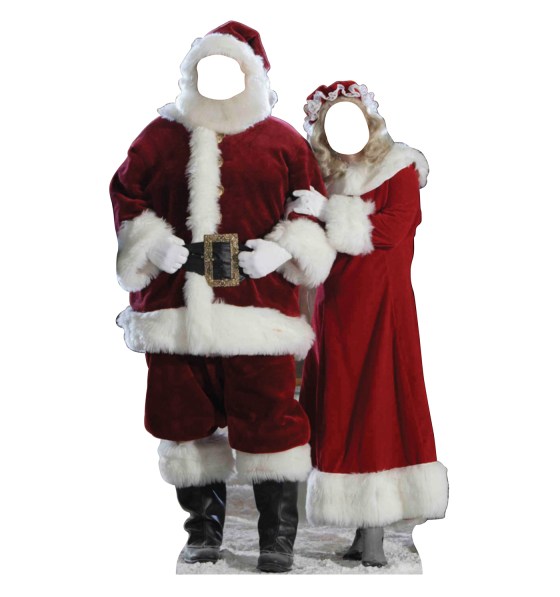
So why a father archetype? Fathers are less emotionally available than mothers in the vast majority of households. So is Santa – one letter up to the North Pole and some secret wishing every year isn’t much interaction over a 12 month period. Fathers have more typically been viewed as the providers, and yes, Santa certainly comes up with the goods in late Dec every year. Think ridiculously over-sized sack.
Fathers, on drawing a line (setting boundaries), tend to appear to be less easily manipulated, as does Santa so very far away. Maybe it’s also got something to do with the element of risk taking – that putting your wishes out there for your Christmas wish list needs courage; indeed it might be a risk as you may need to face some disappointment come Christmas morning.
While mothers tend to be the relationship-oriented teacher in a family, studies on parent roles point out that fathers more often teach lessons of justice, fairness and rule-bound duty, to help prepare children to be part of the world. Hence lumps of coal being a threat for misbehavers.
Or is it just that the father archetype optimizes creating and overseeing others.
I’m not sure, but am certainly intrigued. Your thoughts?
On a personal note:
The theme of this blog over the coming year is going to have a stronger exploratory theme of different archetypes. As always I love the shared dialogue so please feel free to post your views and expand the conversation.
And lastly, on asking. If we can’t ask at Christmas, when can we ask?
My wish for yours and my 2016 is that we have courage in the asking, clearly, for exactly what it is that we want. Here’s cheers to that J
 university of me